
The Datamaxxers Feeding Their Every Health Move to AI-By Tina Li & Natalie KauFfman,by WSJ



As a competitive runner, Julian Flieller relied on human coaches to time his splits and manage his training regime. Today, he prepares for recreational marathons under the watchful eye of a chatbot.
Armed with the workout, sleep and other biometric data Flieller collects with fitness trackers, Anthropic’s Claude model suggests workout modifications. It helps the 25-year-old software engineer connect the dots between his work schedule and athletic performance.
Before Claude, Flieller received pings about stats such as heart-rate variability, or HRV, which generated more stress than clarity. “Like, your HRV is 60. Okay great, I don’t know what that means.”
Health obsessives often monitor workouts, step counts, sleep metrics, heart rates and nutrition data, cross-referencing the information with their calendars, meeting transcriptions, emails and clinical records.
Now, they are supercharging their habits with AI systems that serve as hyperpersonalized health trainers and assistants. While fretting over such minutiae is far from mainstream practice—many doctors recommend simplicity in fitness and nutrition—a growing number of so-called datamaxxers have finally found their version of nerd Valhalla.
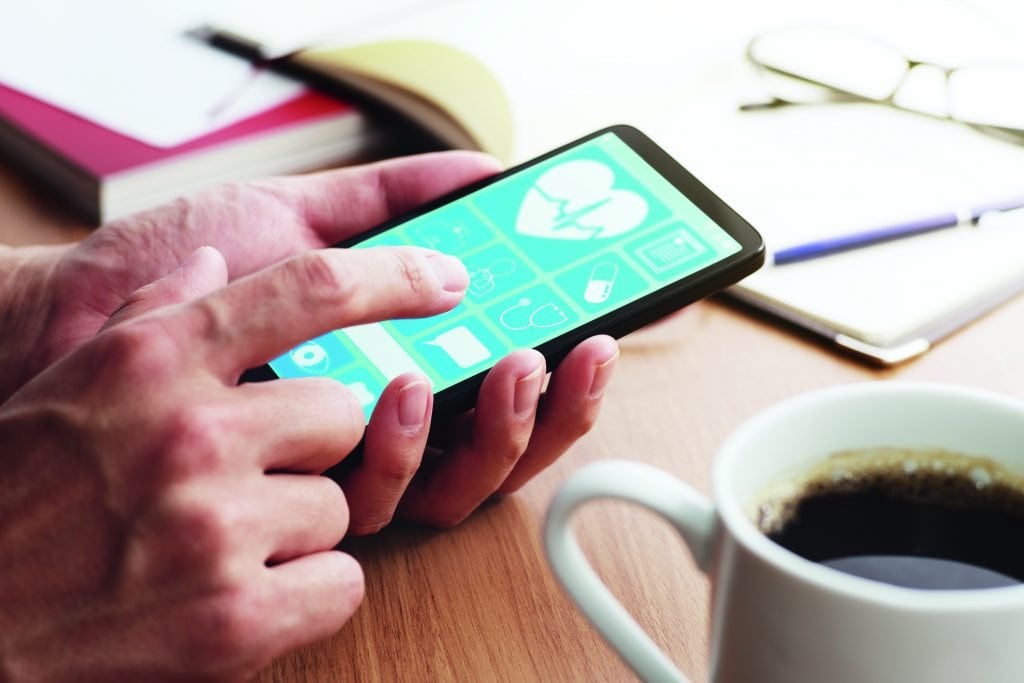
A true AI assistant, like the one in the movie “Her,” is the holy grail of the technological race afoot. Some AI health systems are powerful enough to assist humans, but most still lack the critical context needed to unlock more tailored capabilities. Datamaxxers are getting a DIY head start, although some worry about surrendering too much of their privacy.
These data wizards use AI models to build their own tools and dashboards, either as businesses or for personal use. One credits his custom bot with giving him the confidence to join a local run club. Another hooked his family to an AI setup to revamp everyone’s diet.
Instead of analyzing static charts, modern datamaxxers simply text their bot over morning coffee to better understand a poor night’s sleep. Some can interact with their data through chat agents on WhatsApp and Telegram.
“This is like my love language,” said Jennifer McDaniel, 47, who works in sales and uses an AI-powered tool built by a friend. The bot, which synthesizes health data, recommended a tailored diet to help McDaniel reduce hair loss. It even flagged early warning signs of kidney decline.
It took New York-based founder and runner Mika Reyes an afternoon to construct her AI health dashboard, which helps her connect a sluggish morning run to the start of her menstrual cycle or a poor night’s sleep.
Yet Reyes, 31, occasionally finds flaws in the system’s generated workout plans. She said she never blindly trusts her AI and vets its custom plans with time-tested training principles. Studies show that chatbots still dish out faulty medical advice .
Maintaining a custom health dashboard can take long sessions of prompting and re-prompting with AI, along with navigating tedious workarounds to export raw metrics.
A colleague’s joke about workplace stress sparked an idea for India-based software engineer Pankaj Tanwar: use data to determine the co-workers responsible. He used AI to connect his Google Calendar and heart rate data to zero in on a growth product manager at his company—“Claude said this guy is the prime suspect.” Amused by the findings, the “suspect” and other colleagues started to test the systems themselves, sparking a wider office conversation about how data could guide their lives.
The experiment was the newest addition to Tanwar’s AI system, which he communicates with via Telegram and has been building for four years. The 27-year-old tracks his bike rides, screen time, calendar events, social-media metrics and sleep quality. He can even feed in his text messages. The system encourages him to sleep in on Mondays and travel less on weekdays, and helps him organize his calendar and pick out gifts for friends.
Legacy health apps are also integrating AI features. But for Tanwar, they aren’t enough. Without the big picture, a tracking tool can only give generic advice, he said.
And even though strapping on a fitness tracker already means accepting—and trusting—a company’s health rules, Tanwar wants full control over his own data to the extent possible. He merges sensitive information and biometrics on his own system, which runs on a local home computer server next to his cats’ treehouse.
“We are sitting on a ton of data,” he said, “but not really doing much with that data apart from what all the companies provide.”
context needed to unlock more tailored capabilities.(圖片來源:iStock photo)