
Kevin Warsh Is Trump‘s Man—and His Own. How He Will Reshape the Fed. -By Matt Peterson, BARRON’S


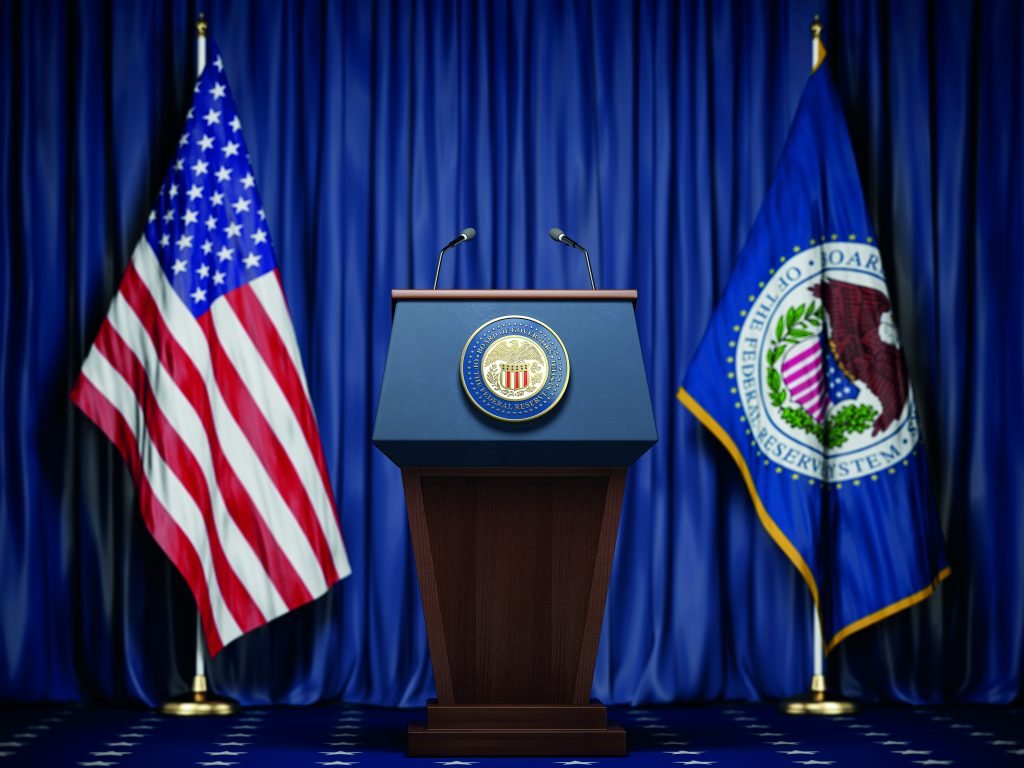
Warsh, 55, a former Fed governor, has promised “regime change” at the central bank. That includes cutting interest rates, but will also mean distancing the Fed from current Chair Jerome Powell’s “data-driven” approach to rate decisions.
The nominee has made clear he thinks the Powell Fed—by being too focused on the minutiae of outdated economic data—hasn’t recognized that government spending and the amount of money in circulation are the primary determiners of inflation.
Warsh has said the Powell Fed “has failed” and lost the faith of the markets. The chair not only needs to get rates right but also to “look like you know what you’re doing,” Warsh told Barron’s in a sit-down a few months ago.
Trump clearly finds that quality in Warsh, who is from “central casting,” the president said on Friday.
The financial markets’ initial reaction to the nomination was modest, suggesting investors are taking it in stride. They can expect a Fed that eases rates in the short term. And if inflation starts to bite, they have reason to hope that Warsh will act, despite Trump’s insistence that the Fed must keep rates low.
While Trump no doubt will remain a wild card, early indications are that Warsh nomination is reassuring some of the president’s skeptics.
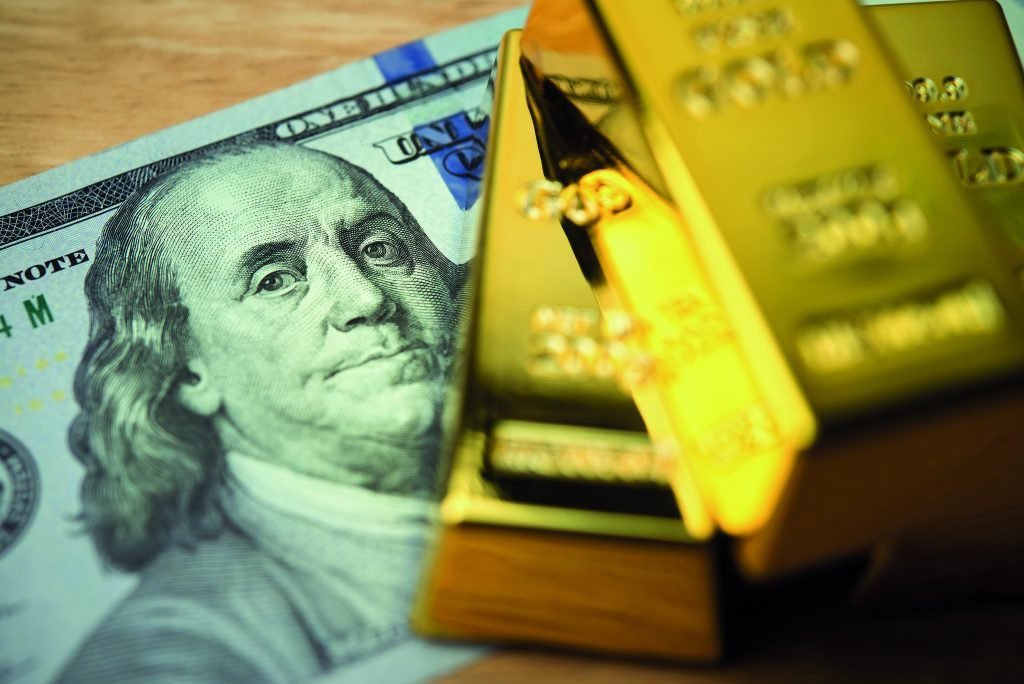
Gold fell 9%, reversing a surge to above $5,000 an ounce. The precious metal has been investors’ all-purpose insurance policy against worries of policy instability in the Trump administration, jitters about the potential for another spike in inflation, and a falling dollar.
Gold’s reaction suggests some investors see Warsh as a stabilizing influence, potentially tamping down the president’s spiteful campaign against the central bank. The dollar also rose a half-point against a broad basket of currencies, suggesting investors expect higher interest rates.
Stocks fell and bonds stayed largely flat.
Wall Street’s response is “a vote for credibility,” said Stanley Druckenmiller, a longtime investor who is Warsh’s boss at Duquesne Family Office, Druckenmiller’s investment firm. “The only thing that’s getting smashed—which I’m not thrilled with, but as a policy person I like it—is gold.”
Druckenmiller said he is invested in a rising gold price.
A modest decline in stocks “makes sense because you have a hawkish Fed chair,” said Brij Khurana, fixed-income portfolio manager at Wellington Management.
Hawks tend to prefer higher interest rates, which generally weaken the outlook for corporate profits.
Khurana shares a widely held view on Wall Street that Warsh would ultimately take action against inflation, if necessary—despite worries by some that he would bend to Trump’s wishes to lower interest rates regardless of the potential for overheating the economy.
Warsh warned repeatedly about inflation in previous years, but under Trump has focused on how higher rates can harm the economy. That is seen by some as a political shift to accommodate Trump.
Druckenmiller has worked with Warsh for the past 15 years and disputes that he has changed his views on inflation. He has seen Warsh go “both ways, not one way.” In running a private-equity practice for Druckenmiller, Warsh has a granular view of the economy that those who remember him from his earlier time at the Fed have missed.
“You would be shocked what he knows about bits and bytes and all the productivity potentially enhancing things of AI in detail,” Druckenmiller said.
Warsh is also a fellow at Stanford University’s conservative-leaning Hoover Institution. He was an economic adviser to President George W. Bush, who nominated him for a seat on the Fed’s board. He served from 2006 to 2011. In 2017, Trump considered Warsh for the chair job that ultimately went to Powell.
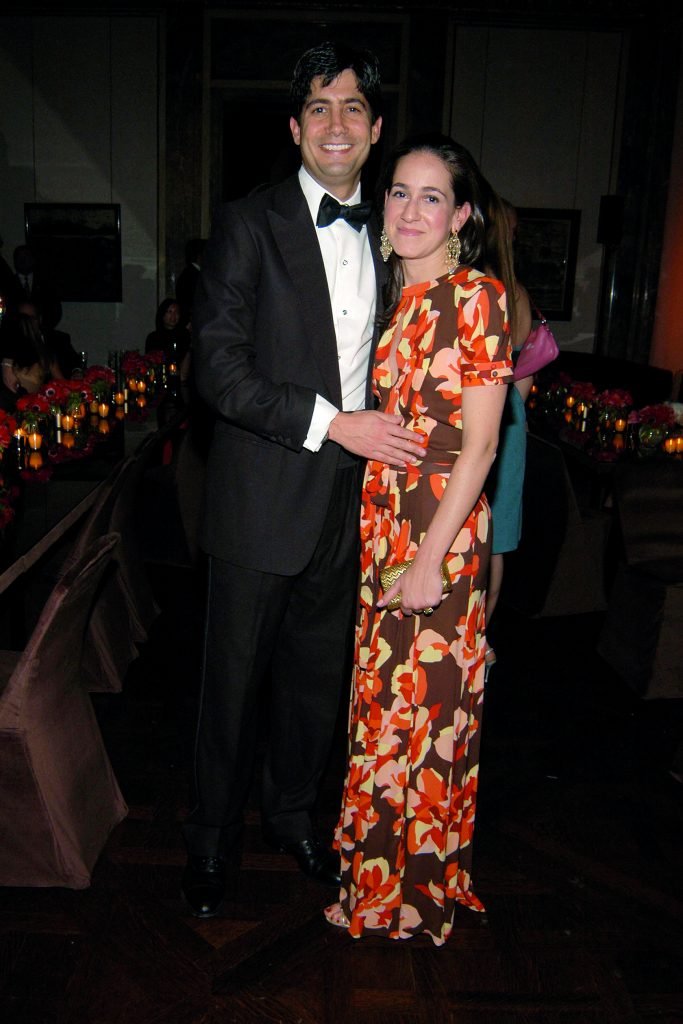
Warsh is married to Jane Lauder, the billionaire granddaughter of Estée Lauder, who founded the cosmetics company that bears her name. Warsh’s father-in-law is Ron Lauder, a longtime friend of Trump’s.
Warsh argues that lower rates are consistent with a commitment to fight inflation. The Fed under Powell saw the consumer price index spike to 9.1% in June 2022, while long-term interest rates rose, at times to nearly 5%. The 10-year Treasury yield is currently near 4.25%.
Even as inflation has eased to 2.7% and the Fed has cut its benchmark interest rate to 3.5% to 3.75%, the yield on the 10-year note has remained relatively high. That prevents rates on credit-card debt, mortgages, and other consumer debt from falling.
The inflation surge and the difficulty bringing down long-term interest rates stem from the market’s distrust of Powell and the current setup of the Fed, Warsh has said.
Warsh has described the Fed as insular and committed to outdated economic models. He said Powell compromised his credibility with the market by allowing inflation to rise after the pandemic, and replacing him with a new, more credible chair will induce the market to lower long-term interest rates.
Warsh believes monetary policy should involve analysis of the size of the money supply, an economic philosophy long ago abandoned by the Fed on the grounds it doesn’t predict changes in interest rates. This view makes some traditional Fed-watchers queasy. They believe changes in the money supply don’t have much to do with inflation. That could lead the Fed to raise rates when the money supply increases, risking a recession.
Warsh has been especially critical of the Fed’s giant balance sheet. The Fed began to accumulate financial assets, starting with Treasuries and eventually encompassing mortgage-backed securities, during the 2008-09 financial crisis, when Warsh was on the Fed’s board.
Warsh said the asset-buying policy, which came to be known as quantitative easing, was an appropriate emergency measure but needed to be reversed once the crisis passed.
Shrinking the Fed’s balance sheet is essential to Warsh’s plan for rate cuts. By cutting the balance sheet, “you have created space to lower interest rates,” Warsh previously told Barron’s .
A smaller balance sheet would drain liquidity from the financial system and could have a tampering effect on inflation.
That fits with Warsh’s broader belief that the Fed was mistaken in dropping considerations of the money supply from policymaking
“The theory that money has something to do with monetary policy is nowhere in the central thinking of the Fed,” Warsh said last year.
Khurana, the bond portfolio manager, thinks the 10-year yield will fall under Warsh. “You have to worry less about inflation getting out of control and worry less about yields getting out of control,” he said.
Other candidates Trump could have picked might have prompted short-term yields to fall, but not necessarily longer-term yields. The difference between the two is referred to as the term premium, or the reward investors demand for holding longer-term debt.
“This is a pick to reduce term premia in bonds,” Khurana said.
That may take some time. Warsh must first be confirmed by a Senate that has grown skeptical of the president’s interference in the Fed’s policy decisions.
The Justice Department has issued subpoenas to Powell in a criminal investigation over allegations of overspending on building renovations. Powell has denounced the probe as a political pretext, and has received support in the Senate.
On Friday, the chairman of the Senate Banking Committee, North Carolina Republican Thom Tillis, praised Warsh but said he was concerned about Fed independence.
“I will oppose the confirmation of any Federal Reserve nominee, including for the position of Chairman, until the DOJ’s inquiry into Chairman Powell is fully and transparently resolved,” Tillis said in a statement .
Warsh may be able to convince senators of his independent credentials. Last year, he cautioned Trump against firing Powell.
“I think he is somebody who can stand up” to Trump, said Condoleezza Rice, director of the Hoover Institution and a former secretary of state under George W. Bush.
“He’s going to be true to the mission of the Fed,” Rice said. “He’s going to go where the right decisions take him.”
If confirmed by the Senate, Warsh must also persuade his fellow voters on the rate-setting Federal Open Market Committee. That may include Powell, who has two years left on his board term after his term as chair ends in May.
“I have a tough time seeing Kevin Warsh being able to persuade his colleagues to a dovish position, a position that elevates employment risks over inflation and one he has never been able to make himself, even when the times demanded,” wrote Neal Dutta, head of economic research at Renaissance Macro Research, in a note to clients.
Warsh does have a willing partner in Treasury Secretary Scott Bessent, however. The two share a view that the Fed has encroached on what are properly the responsibilities of the Treasury by buying up trillions of dollars in Treasuries, mortgages, and other financial instruments after the financial crisis. The balance sheet needs to be reduced, and the Fed shouldn’t have sole discretion over how that process proceeds.
“The Treasury secretary would need to find the proposed change in Fed holdings acceptable, given that it is partially fiscal policy in disguise,” Warsh told Barron’s .
That change in the relationship between Treasury and Fed would be part of a revitalized Treasury-Fed Accord, Warsh said, referring to a 1951 deal that gave the Fed the independence it has today.
That rebalancing of responsibilities will leave Bessent and the broader Trump administration with a greater hand in the economy.
Should Warsh prove to be as hawkish on inflation as Wall Street thinks, it may be a price worth paying for an administration that is eager to exercise maximum control over the economy.
免責聲明:本專頁刊載的所有投資分析技巧,只可作參考用途。市場瞬息萬變,讀者在作出投資決定前理應審慎,並主動掌握市場最新狀況。若不幸招致任何損失,概與本刊及相關作者無關。而本集團旗下網站或社交平台的網誌內容及觀點,僅屬筆者個人意見,與新傳媒立場無關。本集團旗下網站對因上述人士張貼之資訊內容所帶來之損失或損害概不負責。